Entry · Ref 159Q9PSU
Organizing Your Garage: A Practical Checklist for Tools, Parts, and Supplies
- Posted
- 2026-11-18
- Last amended
- 2026-11-18
- Account
- @theservicebay
A well-organized garage saves time and frustration. When every tool, part, and supply has a home, you spend less time searching and more time working on the vehicle, the project, or the repair. But getting there requires more than buying a few bins. You need a system that matches how you actually use the space. This checklist walks through the key points to consider, from storage hardware to workflow, so you can set up a garage that stays functional as the collection grows.
1. Assess the Floor Space First
Before buying any cabinet or shelf, measure the floor area you have to work with. Mark the space taken by the vehicle or the equipment that stays put. Then decide what storage can sit along the walls and what needs to be on wheels. Floor space is the most limited resource in most garages, so anything that does not need to be on the floor should go up. Wall storage, ceiling racks, and tall cabinets keep the walking area clear. If you plan to bring in larger shop equipment later, leave enough room for it without blocking access to stored items.
2. Choose Between Modular Cabinets and Open Shelving
Both have their place. Modular cabinets keep dust off parts and tools, and they look cleaner. They work well for items you want to protect, such as precision measuring tools, power tools, and small parts in bins. Open shelving gives quick visual access and is ideal for bulky supplies like rags, oil containers, or shop towels. The trade-off is that open shelves gather dust and can look cluttered if you do not keep them tidy. A mix often works best: cabinets for the smaller, valuable items and open shelves for the daily-use supplies.
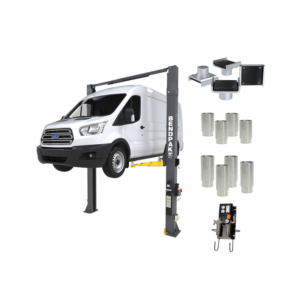
3. Evaluate Drawer Capacity for Small Parts
Drawers are the backbone of any parts storage system. Look for drawer capacity that matches the volume of fasteners, fittings, and small components you keep. Deep drawers hold larger items like hoses or brake parts, while shallow drawers are better for screws, nuts, and washers. The key is to avoid stacking bins so deep that you have to dig to the bottom. Adjustable dividers or small bins inside the drawers let you separate sizes without losing the drawer's depth. If you work on multiple vehicle types, color-coded bins or labels speed up retrieval.
4. Plan Work Surfaces That Double as Storage
A sturdy work surface is a luxury, but it can also be storage. A workbench with drawers underneath gives you a place to assemble parts and a place to keep the tools you reach for most. The work surface itself should be easy to clean and strong enough to hold a vice or a small press. If the bench is against a wall, back it with a pegboard or slat wall for hanging frequently used hand tools. That keeps the bench clear for the actual work.
5. Prioritize Lockable Drawers for Valuables
Not everything in the garage needs to be locked, but certain items do. Precision torque wrenches, specialty gauges, expensive power tools, and personal items such as a laptop or keys should go in lockable drawers. Even in a private garage, a lock keeps things from being accidentally borrowed or knocked off a shelf. Look for cabinets that offer a key lock or a combination lock. Some modular systems let you add a lock to a single drawer without changing the whole unit.
6. Organize by Frequency of Use
The most-used tools and supplies should be the easiest to reach. That means the top drawer or the front of a shelf holds the daily items: wrenches, screwdrivers, pliers, and common fasteners. The less-used stuff, like specialty pullers or winter parts, goes higher or deeper. This principle applies even inside a single drawer. Place the items you grab most at the front. If you have to move three things to get to a socket, the layout needs adjusting.
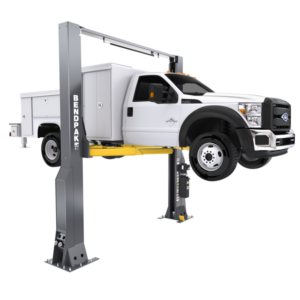
7. Think About Load Rating on Every Shelf
Not all shelves are built the same. A plastic unit might hold light bins but will sag under heavy cast-iron parts or a stack of batteries. Metal shelves with a proper load rating are safer and last longer. Check the manufacturer's weight limit per shelf and per unit. If you store engine blocks, transmission parts, or large hydraulic jacks, the storage must be rated for that weight. Overloading a shelf is a safety risk and can damage the items stored below.
8. Use Wall Storage for Vertical Space
Wall storage is where a garage gains real capacity. Pegboards, slat walls, and magnetic strips keep tools visible and off the bench. They also free up floor space for larger equipment like a lift or a press. For long items such as pry bars, levels, or tubing, a wall-mounted rack or a series of hooks works well. For smaller hand tools, a pegboard with custom hooks lets you arrange them exactly where you need them. The wall is also a good place for a fire extinguisher and a first-aid kit, as long as they remain accessible.
9. Keep a System for Consumables
Supplies like rags, gloves, oils, and sprays are easy to let pile up. A dedicated shelf or a bin for each type prevents the clutter. Label the bins clearly, and keep a small stock of what you use regularly. For items that come in large containers, such as brake cleaner or windshield washer fluid, a shelf with a lip at the front stops them from sliding off. If you store flammable liquids, check local regulations on how much you can keep and where they should be placed. Never store them near an ignition source or a pilot light.
10. Plan for Future Additions
Garages grow. A storage system that works today may feel cramped after you add a new tool or a second vehicle. Leave some empty space in the layout, even if you do not fill it now. Modular systems let you add a cabinet or a shelf unit later without redoing everything. The same goes for the power outlets and lighting. If you plan to add larger Shop equipment, such as a tire changer or a press, make sure the floor can support it and that there is enough clearance around it. A little foresight saves a major reorganization later.
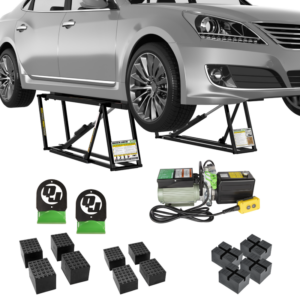
This checklist is not a one-time task. Revisit it every year or when your garage sees a big change. The goal is a space that works for you, not one you have to fight. Start with the floor space, then build up with modular cabinets, drawers, and wall storage that match how you actually work. Keep the valuables locked, the heavy loads rated, and the daily tools within reach. With these points in mind, you can turn a cluttered garage into a functional workshop that supports the projects you care about.